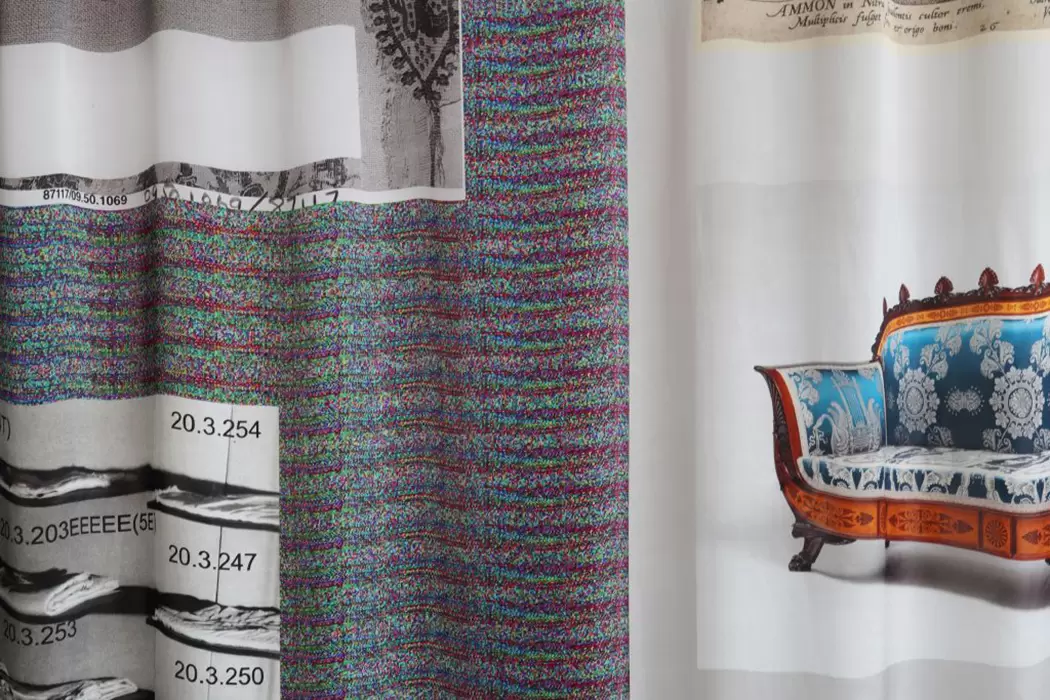
Medina at the Azerbaijan National Carpet Museum: Where Image Becomes Experience
A single image, unfolding across painting, carpet, sound, and scent—Medina’s new exhibition in Baku is less about objects and more about transformation.
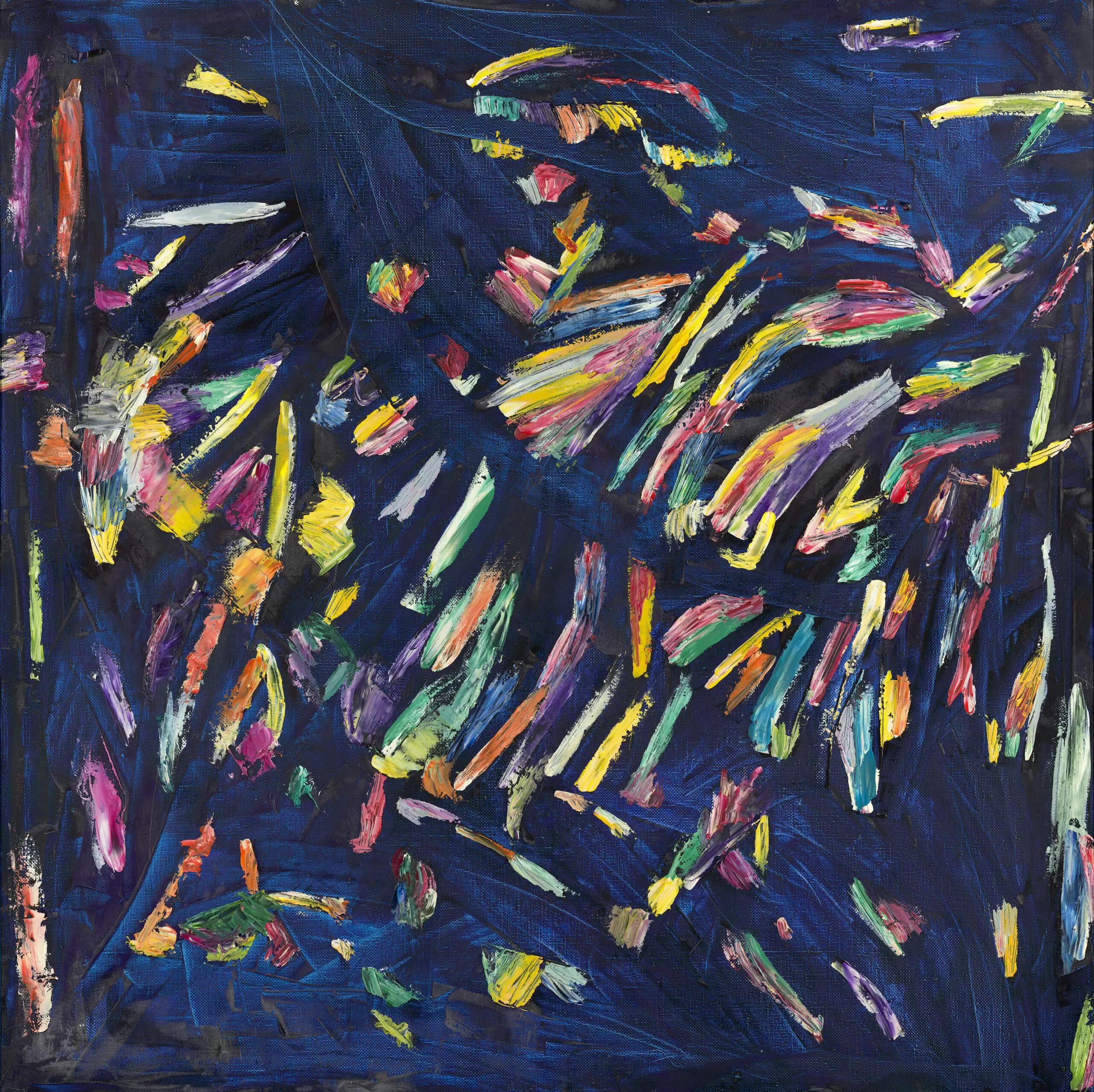
Featured image: “Winter” by Medina
On April 15, the Azerbaijan National Carpet Museum opens In the After Image, a solo exhibition by multidisciplinary artist Medina (medina.art). Spanning painting, mosaic, stained glass, digital media, and textile techniques, the show explores a simple but powerful idea: that an image is never fixed.
Instead, it evolves.
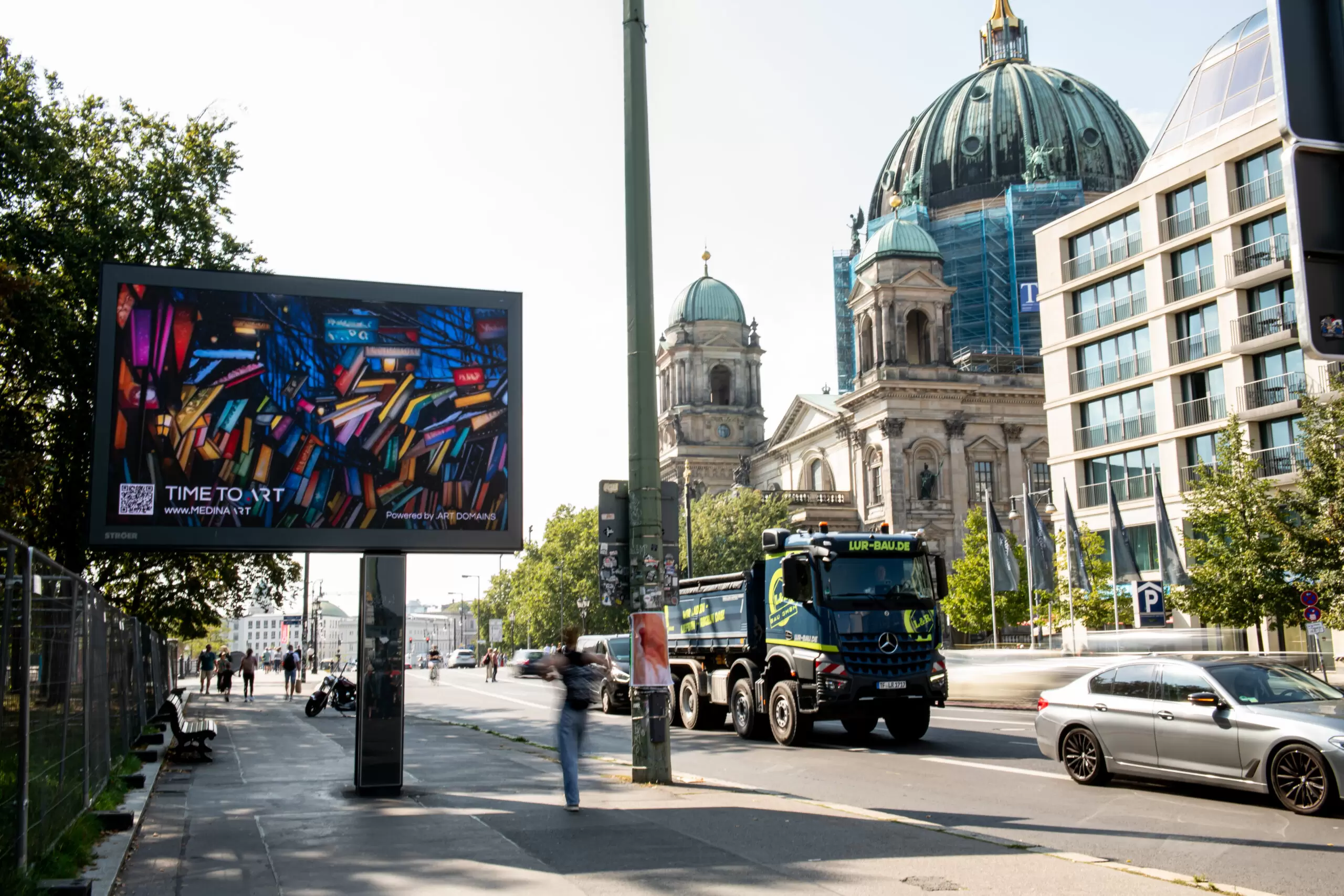
Across the exhibition, the same visual motif reappears in different forms—moving from canvas into digital space, then re-emerging as stained glass, mosaic, or handwoven carpet. Each transformation adds a new layer of meaning, allowing the work to exist not as a singular object, but as a continuous process.
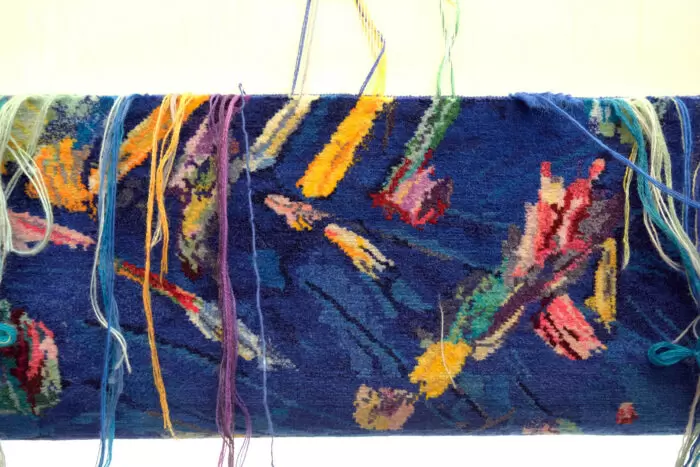
Winter (work in progress) — a carpet in development based on the imagery of Medina, where vibrant threads begin to form a layered, painterly composition.
The result is less a traditional exhibition and more an unfolding system—where repetition becomes variation, and material becomes narrative.
Between tradition and transformation
At the heart of the project is a dialogue between contemporary artistic language and Azerbaijan’s textile heritage. Five new carpets—woven by master artisans in the museum’s Traditional Technology Department from Medina’s sketches—anchor this exchange. These works translate contemporary imagery into textile form, bridging centuries of craft with a distinctly modern visual sensibility. Recurring motifs—floral compositions, seasonal cycles, portraits, and urban landscapes of Baku—create a rhythm throughout the exhibition. They echo across mediums, forming an immersive environment that feels both personal and collective.
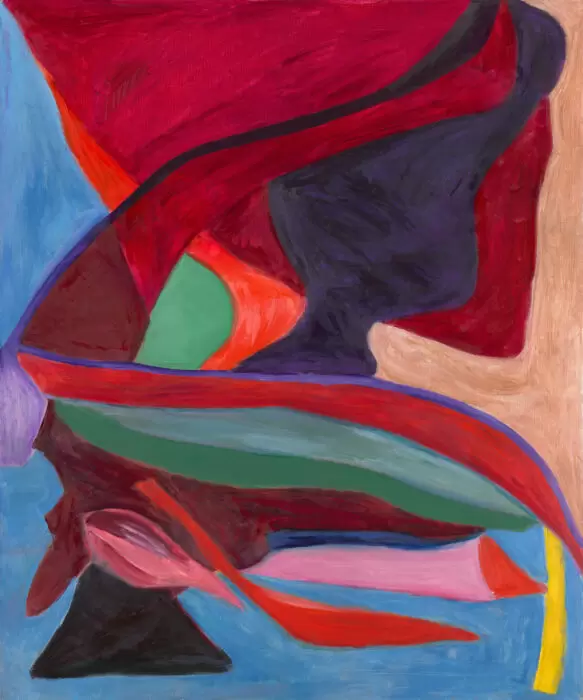
Nefertiti (2020) by Medina — a bold, abstracted portrait where flowing forms and saturated color reimagine the iconic queen through a contemporary lens.
An exhibition you don’t just see
In the After Image extends beyond the visual. A specially commissioned sound installation, built from recordings of the carpet-making process, brings the cadence of weaving into the space—turning labor into rhythm, and rhythm into atmosphere. Two bespoke fragrances, created for the exhibition, further expand the experience into scent. Together, these elements create a multi-sensory environment where the viewer doesn’t just observe the work, but enters it.
From personal story to institutional recognition
Medina’s practice is deeply rooted in themes of resilience, fragility, and renewal. Her work often reflects a personal journey—one where survival and transformation are not abstract ideas, but lived experience translated into material form. That trajectory is reflected in the exhibition’s most significant milestone: four iterations of Flowers for My Mother—a painting, carpet, stained-glass work, and digital version—will enter the museum’s permanent collection. This gesture formalizes what the exhibition already suggests: that the work’s meaning lies not in a single form, but in its ability to transform and endure.
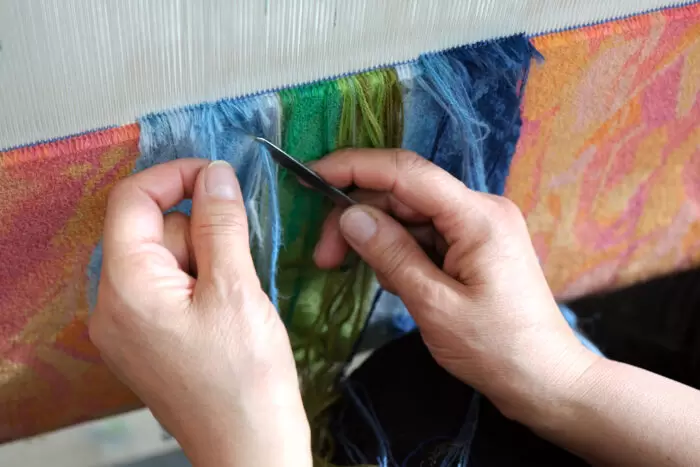
Detail from the making of Flowers for My Mother — artisans translating Medina’s imagery into handwoven carpet through traditional techniques.
A practice that moves between worlds
From early exhibitions at the Multimedia Art Museum in Moscow to large-scale digital installations across Times Square, Berlin, Seoul, and Miami, Medina’s career has consistently expanded across mediums and geographies. As the official artist of the .ART Registry, she also leads The Healing Power of Art, a philanthropic initiative exploring art’s role in emotional and psychological restoration—an ethos that quietly underpins this exhibition. In the After Image becomes a natural extension of that work: a meditation on how images hold memory, shift form, and continue to live beyond their original context.
“The image does not remain confined within a fixed framework; it transforms—continuing its life across materials, senses, and time.” — Medina